
Caring for the Caregiver: Burnout & Relationships in EFT
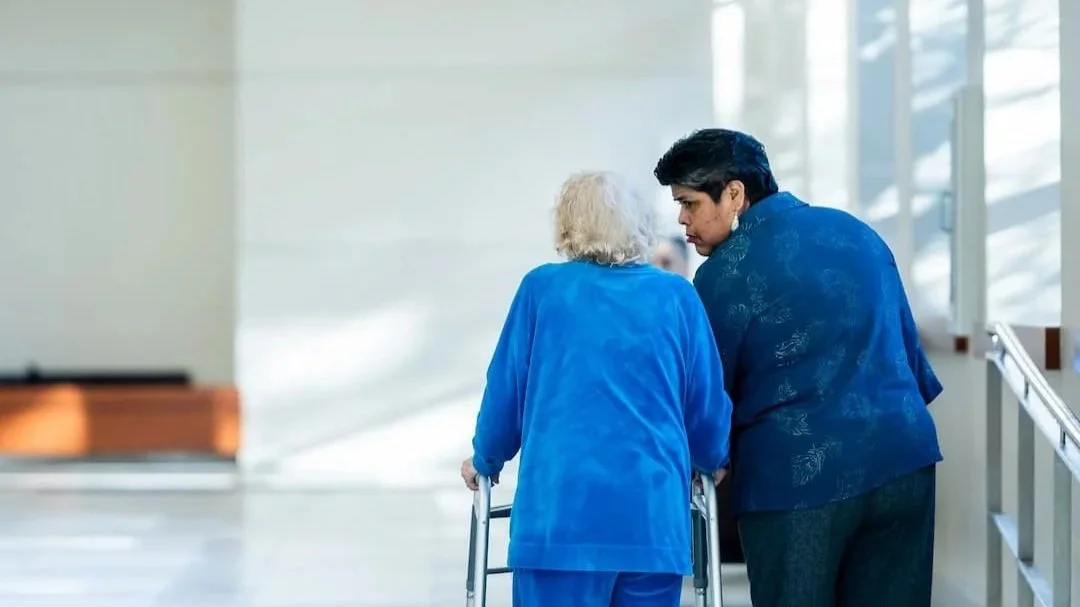
Caring for someone we love can be one of the most meaningful roles we take on. Whether supporting a spouse through illness, caring for an aging parent, or navigating the constant demands of parenthood, caregiving often comes from a place of deep love and commitment. Yet even the most devoted caregivers can find themselves running on empty. When the physical, emotional, and mental demands of caring for others outweigh our ability to replenish ourselves, caregiver burnout can occur.
From an Emotionally Focused Therapy (EFT) perspective, caregiver burnout is not a sign of weakness or failure. It is often a sign that someone has been carrying too much for too long without enough support, connection, or opportunity to care for their own needs.
What Is Caregiver Burnout?
Caregiver burnout is a state of emotional, physical, and mental exhaustion that develops when the stress of caring for another person becomes overwhelming. While often associated with caring for someone experiencing illness or disability, caregiver burnout can appear in many relationships.
In marriage, one partner may take on the role of primary emotional or physical caregiver during a difficult season. In parenthood, caregivers may feel consumed by the constant responsibilities of meeting their children's needs while placing their own well-being on hold. Over time, this imbalance can lead to exhaustion and emotional depletion.
How Burnout Shows Up
Caregiver burnout can look different for everyone, but common signs include:
Feeling emotionally drained or overwhelmed
Increased irritability or frustration
Difficulty feeling empathy or patience
Chronic fatigue
Anxiety or feelings of hopelessness
Withdrawing from friends and loved ones
Feeling disconnected from yourself or others
Loss of interest in activities that once brought joy
Difficulty asking for or accepting help
Many caregivers carry guilt around these experiences. They may believe they should be able to do more or feel ashamed for needing support. However, these reactions often signal that important emotional and physical needs have gone unmet.
An EFT Understanding of Caregiver Burnout
EFT views relationships through the lens of attachment and emotional connection. Human beings are wired to seek comfort, support, and security from those closest to us. When caregiving demands increase, the relationship can unintentionally shift from mutual support to one-sided responsibility.
The caregiver may become focused on meeting everyone else's needs while silencing their own pain, loneliness, or exhaustion. Over time, they may become emotionally unavailable, withdrawn, or resentful. The person receiving care may also experience feelings of guilt, fear, or helplessness. What often develops is a cycle of disconnection where both individuals feel unseen and unsupported.
From an EFT perspective, the problem is not the people involved—it is the cycle that has formed around stress and unmet emotional needs.
Why Self-Care Matters
Many caregivers view self-care as selfish or unnecessary. In reality, caring for yourself is one of the most important ways you can care for your loved ones.
When we attend to our own emotional and physical needs, we increase our ability to remain present, patient, and connected. Self-care allows us to show up in our relationships from a place of strength rather than depletion.
Some ways to support yourself include:
Asking for help from trusted friends, family members, or professionals
Creating regular moments of rest throughout the week
Maintaining meaningful connections with supportive people
Spending time engaging in activities that bring joy or peace
Practicing self-compassion instead of self-criticism
Seeking counseling or support groups when stress becomes overwhelming
Paying attention to your own emotional needs and expressing them openly
Caring for Yourself to Care for Others
At our clinic, we believe that everyone deserves support—including those who spend so much of their time supporting others. Through an Emotionally Focused Therapy lens, healing happens when people feel seen, heard, and emotionally connected. Caregivers are no exception.
By recognizing the signs of burnout and prioritizing your own well-being, you are not taking away from your loved ones—you are building the capacity to remain connected to them. When caregivers feel supported and secure, relationships can become places of comfort and healing rather than exhaustion and survival.
Taking care of yourself is not stepping away from the relationship. It is one of the most loving ways to strengthen it. If you are navigating caregiver burnout, connect with SGP today.
