
Are There Stages of Grief?
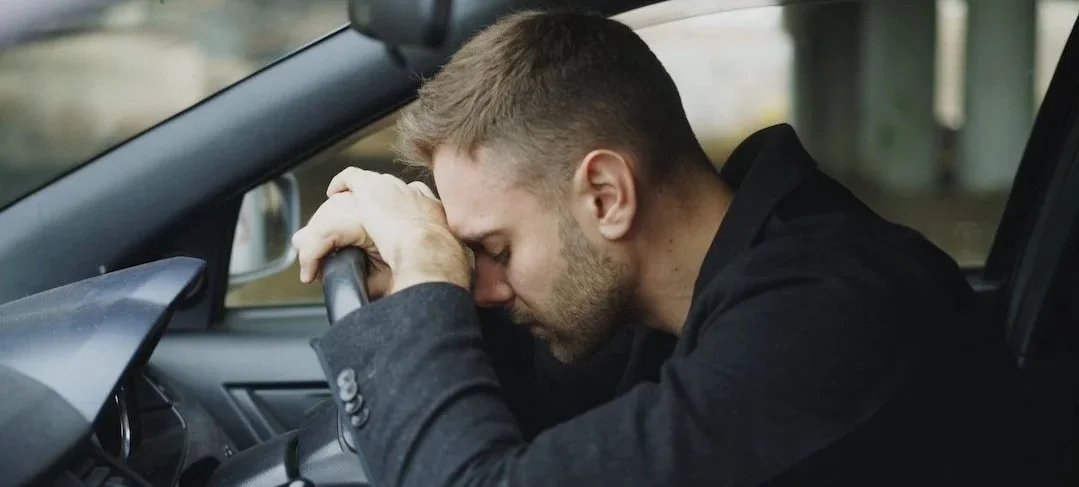
When experiencing the loss of a loved one, many people wonder, "What are the stages of grief?" or "Am I grieving the right way?" While models of grief can help us understand common emotional experiences following loss, there is no single path through the grieving process.
From an Emotionally Focused Therapy (EFT) perspective, grief is a natural response to losing an important emotional bond. The depth of grief often reflects the depth of our love, attachment, and connection with the person who we’ve lost.
Understanding the Stages of Grief
Many people are familiar with the concept of the seven stages of grief. While every grief journey is unique, these stages can provide a framework for understanding common emotional experiences that may occur after a significant loss.
The Seven Stages of Grief
1. Shock and Denial - In the beginning, loss can feel overwhelming or unreal. Many people experience numbness, disbelief, or difficulty accepting what has happened.
2. Pain and Guilt - As reality begins to set in, feelings of sadness, regret, or guilt may emerge. Some individuals find themselves replaying memories or wondering if they could have done something differently.
3. Anger and Bargaining - Grief can bring feelings of anger toward circumstances, ourselves, others, or even the loved one who passed. Bargaining often appears as thoughts such as, "If only..." or "What if..."
4. Depression - As the permanence of the loss becomes clearer, feelings of loneliness, sadness, and longing may intensify.
5. The Upward Turn - Over time, many people begin experiencing moments of hope and emotional stability. While grief remains present, it may feel less consuming.
6. Reconstruction and Working Through - Individuals often begin adapting to life after loss, finding new routines and ways to navigate daily life while carrying their grief.
7. Acceptance and Hope - Acceptance does not mean forgetting your loved one or "moving on." Rather, it means learning how to carry the loss while continuing to engage with life, relationships, and meaningful experiences.
The Truth About Grief: It Is Not Linear
One of the biggest misconceptions about the grieving process is that people move neatly from one stage to the next. In reality, grief is not linear.
Some people experience all seven stages. Others experience only a few. Some may revisit certain emotions months or years later. There is no right or wrong way to grieve.
One of the ways I often think about grief is through the image of ocean waves.
Some days, grief arrives as a powerful wave. A song, anniversary, holiday, photograph, or memory can suddenly bring intense emotions. These moments can feel overwhelming and consuming.
Other days, grief comes as a gentle wave. You may find yourself smiling at a memory, feeling connected to your loved one, or experiencing a quiet sense of longing.
Both experiences are normal. Grief naturally ebbs and flows, much like the ocean. The size of the wave does not determine how well you are healing.
How Emotionally Focused Therapy (EFT) Helps With Grief
Emotionally Focused Therapy helps individuals understand grief through the lens of attachment and emotional connection. When we lose someone important to us, our emotional world can feel shaken.
Rather than encouraging people to "get over" their loss, EFT helps individuals learn how to safely experience and process their emotions.
Through grief counseling using EFT, clients can:
Develop a deeper understanding of their emotional responses to loss.
Honor the bond they shared with their loved one.
Reduce feelings of loneliness and isolation.
Strengthen relationships and support systems.
Practice self-compassion during the grieving process.
Create meaningful ways to stay connected to memories of their loved one.
EFT recognizes that grief is a reflection of love. Healing does not come from letting go of that love; it comes from learning how to carry it forward.
Honoring Your Unique Grief Journey
At SGP, we believe there is no one-size-fits-all approach to grief and loss. Your grief journey is shaped by your relationship with your loved one, your family, your culture, your faith, your values, and your personal experiences.
What's most important is finding ways to grieve that honor both the person you lost and who you are today.
Whether grief arrives in large waves or gentle ones, healing is possible. Through connection, support, and compassionate care, we can learn to navigate grief while continuing to carry the love, memories, and meaning of those we hold dear.
If you are struggling with grief, you do not have to navigate the waves alone. Grief counseling at Sacred Ground can provide support, connection, and a safe space to process your loss.
